
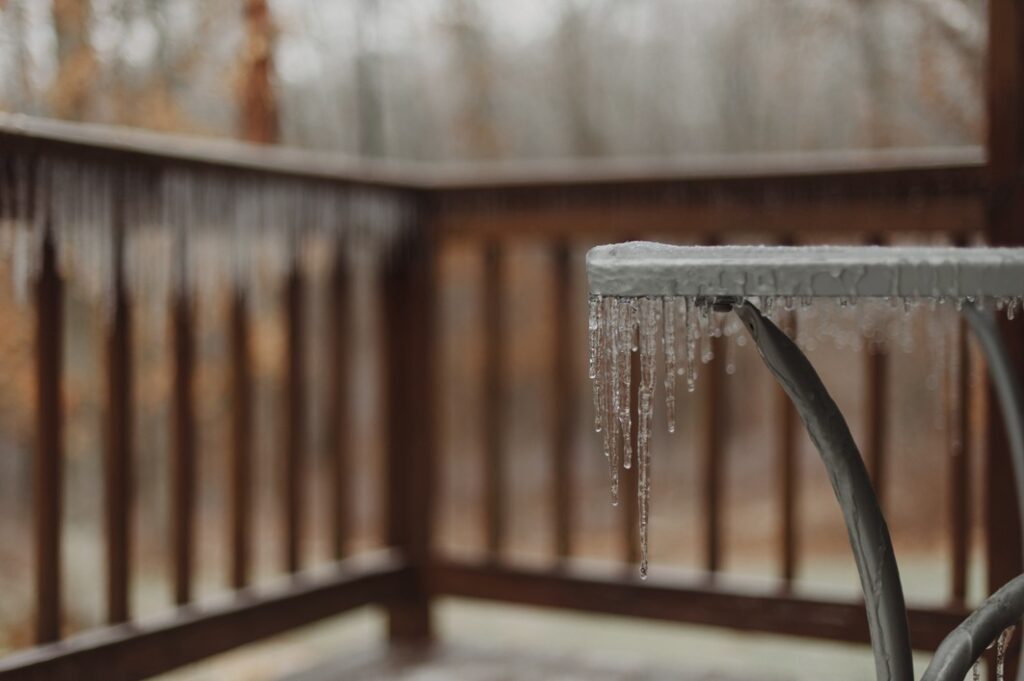
Winter creates a beautiful backdrop, but it also brings snow and ice that can quickly become hazardous if they are left to accumulate on your deck. Proper winter maintenance protects the surface, prevents slips, and keeps your outdoor space in top shape until warmer weather returns. With the right tools and techniques, clearing snow and ice from your composite deck becomes simple.
Use the Right Tools
Using the proper tools is the most important part of winter deck care. Metal shovels or sharp-edged tools can scratch or gouge the surface, especially on composite decking. A plastic shovel with a flat blade is the safest option for removing heavy snow without causing damage. For light snow, a soft-bristle broom works well, and a leaf blower is ideal for powdery accumulation during quick cleanups.
When shoveling, always push the snow in the same direction as the deck boards. Moving snow parallel to the grain helps prevent accidental scraping along the edges of the boards. Take your time, work gently, and avoid aggressive scraping, which can cause unnecessary wear.
Removing Snow Safely
The best time to remove snow is as soon as possible after it falls. Fresh snow is lighter, easier to clear, and far less likely to freeze into a thick layer of ice. For light accumulation, a broom or blower will work fine. For deeper snow, gently push it off the deck using a plastic shovel. Remove it in smaller sections rather than lifting heavy piles, which can cause accidental scraping.
A snow blower can be used on decking when operated with care. Keep the machine slightly raised so that no metal components can touch the surface, and guide it with smooth, controlled movements.
Using Ice Melt Correctly
Not all salts are safe for decking, and the wrong choice can lead to discoloration or surface damage. For composite decking, calcium chloride or magnesium chloride-based ice melt is preferred. These formulas effectively melt ice while remaining much gentler on deck surfaces. Traditional rock salt should be avoided unless it is specifically labeled as safe for use on composite and PVC materials.
Ice melt products that contain dyes or colorants should never be used. These additives can stain your deck surface as the ice melts. Regardless of the type of melt you use, always remove any leftover granules once the ice has loosened. Rinse the area with clean water or mild soap to prevent residue from drying on the boards.
Sand is not recommended for traction on composite decking. Sand particles can scratch the surface and become embedded in the boards’ texture, causing long-term wear that is difficult to remove.
Keep Up with Winter Maintenance
A quick inspection every few days can help catch early signs of winter damage. Look for areas where snow compacts into ice, spots where water collects, or signs of staining. Keeping the surface clean and dry reduces the risk of mold or mildew and helps maintain the decking’s appearance throughout the season.
Trust Eastern Shore Porch and Patio
When you embark on your next project for your property, trust Eastern Shore Porch and Patio to help. We service Bethany Beach, Ocean City, Lewes, Salisbury, and the Delmarva area. You can request a quote today! If you have questions or concerns, call us at 302-436-9520 or send us an email at info@esvinylproducts.com. For updates and ideas, follow us on Facebook, Twitter, LinkedIn, and Youtube.